
Blogs
Wearing Islamic Clothing Is a Form of Dawah

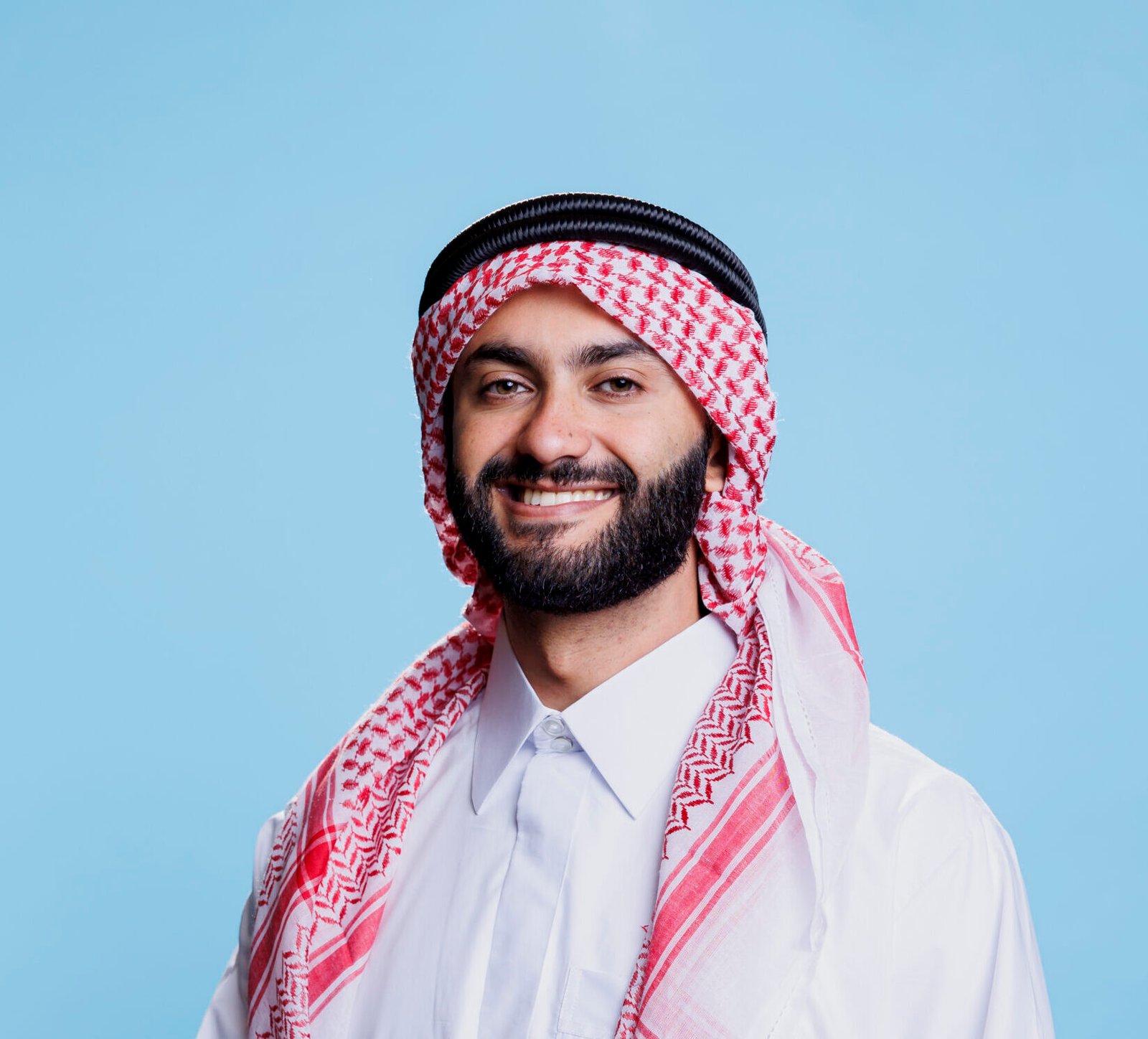
How did I Discovered that Wearing Islamic Clothing Is a Form of Dawah? Last Friday, I watched a young Muslim man walk into a coffee shop in downtown Seattle. He was wearing a simple white thobe and a kufi cap. Nothing elaborate, nothing flashy. But within minutes, three different people approached him with questions—about his faith, his culture, why he dressed that way. That brief encounter turned into a 20-minute conversation about Islam, and by the end, the barista asked where she could learn more.
This is dawah in action. Not through organized lectures or street preaching, but through the quiet invitation that comes from simply being visibly Muslim.
Understanding Dawah in Daily Life
The word dawah literally means “invitation” or “call” in Arabic. While many people associate it with formal missionary work or theological debates, dawah encompasses any action that invites others to understand Islam. From this perspective, the clothes you wear become a form of silent dawah—a walking invitation to curiosity and conversation.
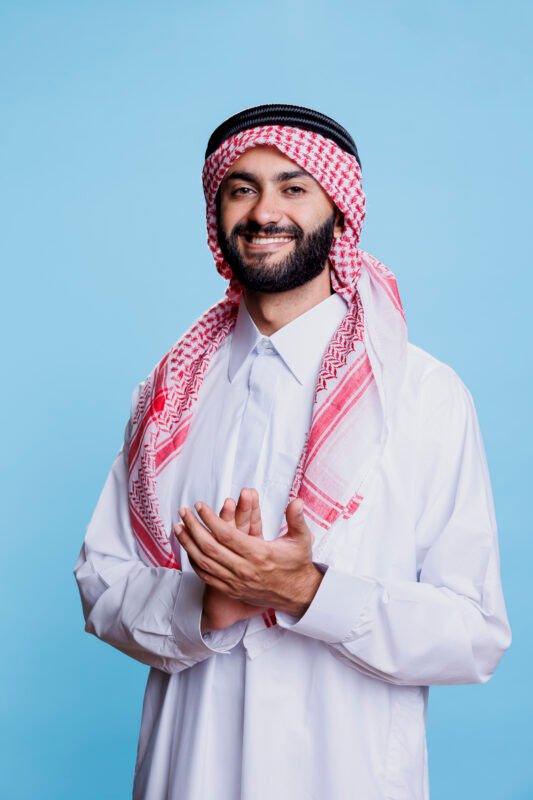
Traditional Islamic clothing serves as an immediate identifier. When people see a Muslim man in a thobe or a woman in hijab, questions naturally arise. These questions create opportunities for education, dispelling misconceptions, and showing Islam’s true face beyond headlines and stereotypes.
Most people don’t realize that dawah doesn’t require preaching. The Prophet Muhammad emphasized that the best dawah is through character and example. Clothing, as one of the first things people notice about us, becomes part of that example.
Clothing as a Visual Testimony because wearing Islamic Clothing Is a Form of Dawah
Islamic clothing functions as what sociologists call a “visual testimony.” It signals religious identity without a single word being spoken. In multicultural societies especially, this visual presence helps normalize Muslim identity and makes Islam more approachable.
Consider what happens when a Muslim professional enters a workplace wearing modest clothing. Colleagues notice, questions emerge, and gradual understanding follows. One lawyer I know in Texas says his beard and thobe have sparked more conversations about Islam than any mosque open house he’s attended. His coworkers see him five days a week, watch his character, and eventually connect his behavior to his faith.
This type of dawah is particularly effective because it’s organic. It doesn’t feel forced or aggressive. People approach out of genuine curiosity rather than feeling targeted. The clothing becomes a bridge, not a barrier.
Breaking Down Stereotypes Through Visibility
The power of clothing as dawah becomes most apparent when confronting misconceptions. Mainstream media rarely shows Muslim men outside of specific contexts—often in negative ones. When people encounter Muslim men in everyday situations, dressed in clean, modest clothing, their preconceptions begin to crumble.
A Muslim doctor in Canada shared how wearing his kufi to work helped patients feel more comfortable asking questions about his faith. Initially worried about discrimination, he found the opposite effect. Patients saw his commitment to his beliefs and respected it, often asking how his faith informed his medical practice. That trust opened doors for meaningful conversations about Islamic values in healthcare.
This works both ways. When Muslims hide their identity to avoid attention, they miss opportunities to reshape narratives. While personal safety and professional considerations are valid, consistently choosing invisibility means forfeiting one of the most powerful tools for dawah we possess.
The Contemporary Context
Social media has amplified this effect exponentially. A Muslim creator wearing modest fashion who shares daily content can reach thousands, creating dawah on a scale previous generations couldn’t imagine. Their clothing becomes part of their platform, showing that Islam and modernity aren’t incompatible.
But the impact extends beyond digital spaces. In-person interactions remain crucial. When someone sees a Muslim family at the grocery store, dressed in culturally recognizable but modest clothing, it humanizes Islam. It shows Muslims as regular people—parents, professionals, neighbors—rather than abstract concepts or political talking points.
This humanization is perhaps the most important aspect of clothing as dawah. It makes the faith approachable. People who might never enter a mosque can ask questions to the Muslim they see at their local gym or coffee shop. These small interactions accumulate, building bridges across communities.
Balancing Identity and Adaptation
The question of what constitutes “Islamic clothing” varies across contexts. A Muslim in Tokyo might dress differently from one in Toronto, and both approaches can serve as effective dawah if done thoughtfully.
What matters is the intention behind the clothing. Is it modest? Does it reflect Islamic values? Does it make your faith recognizable without being ostentatious? Different scholars emphasize different aspects, but the core principles remain consistent.
For some Muslim men, this means a thobe and kufi every day. For others, it’s a beard with Western clothing. For still others, it’s simple, modest attire without obvious cultural markers. All can work as dawah when worn with confidence and humility.
The key is consistency. Sporadic visibility creates confusion, while consistent presence builds recognition and trust. When people see you regularly dressed modestly, they associate that modesty with your character and, by extension, your faith.
Practical Considerations
Of course, Wearing Islamic Clothing Is a Form of Dawah comes with real challenges. Discrimination exists, and some people face genuine hardship for their visible Muslim identity. Personal safety and professional stability are valid concerns that shouldn’t be dismissed.
The solution isn’t necessarily to abandon visible identity, but to navigate situations wisely. This might mean being selective about when and where to wear more traditional garments. It might involve building relationships first, then gradually revealing more about your faith. It might mean finding creative ways to be visibly Muslim without inviting unnecessary hostility.
The Muslim professional world has seen interesting developments here. Many successful Muslim men now wear their religious identity openly—beards, kufis, even thobes in professional settings. Their success demonstrates that visibility doesn’t automatically mean limitation. In some cases, it becomes a distinguishing factor that commands respect. people really loves to think that wearing islamic clothing is a form of dawah.
The Ripple Effect
One of the most beautiful aspects of clothing as dawah is its ripple effect. When one person consistently represents Islam well through their appearance and character, it affects everyone they encounter. Those people then share their positive experiences with others, creating a multiplier effect. Wearing islamic clothing is a form of dawah can be said as:
A single Muslim doctor, teacher, or business owner who dresses modestly and carries themselves well can positively influence dozens or hundreds of people. These people then carry that positive image into their own circles, gradually changing broader perceptions.
This is particularly important for the next generation. Young Muslims growing up in non-Muslim majority countries need to see examples of successful, respected community members who don’t hide their faith. Visibility creates role models, and role models inspire confidence.
Conclusion: The Quiet Invitation
Wearing Islamic clothing as dawah isn’t about making a statement or seeking attention. It’s about quiet consistency—showing up as your authentic self, day after day, and letting your presence speak for itself. It’s about being the Islam that people encounter in their daily lives, not just in headlines or history books.
The young man in the coffee shop didn’t plan to give a lecture. He just wanted a coffee. But his clothing invited questions, and his answers invited understanding. That’s dawah in its purest form—a natural, organic invitation to something beautiful. Because wearing islamic clothing is a form of dawah.
In a world hungry for authentic connection and tired of soundbites, this quiet, consistent representation might be exactly what we need. It reminds us that dawah isn’t just what we say—it’s who we are, how we live, and yes, sometimes, what we wear. Click to Buy